
1.Cost Comparison
1.1Initial Installation Costs
Installing a solar carport is generally more expensive upfront than a traditional carport, but the long-term energy savings often justify the initial investment. A standard single-car solar aluminum carport costs between $6,000 and $12,000, depending on panel quality and structure size. For example, a Custom Solar Aluminum Carport built for a suburban home covering 200 sq. ft. with high-efficiency panels can reach the higher end of that range, while a simpler single-car structure costs closer to $6,500.
In contrast, a traditional carport made of wood or steel usually ranges from $1,500 to $5,000, depending on materials and labor. While cheaper upfront, it offers no energy benefits, meaning you miss out on potential electricity savings. For multi-car setups, a Multi-car Solar Carport adds a higher initial cost but can provide electricity for home charging stations or even sell surplus energy back to the grid.
| Feature | Solar Carport | Traditional Carport |
|---|---|---|
| Average Cost (Single-Car) | $6,000 – $12,000 | $1,500 – $5,000 |
| Energy Generation | Yes, offsets electricity | No |
| Materials | Aluminum, steel, optional wood accents | Steel, wood, aluminum |
| Longevity | 20+ years with panels | 15–20 years |
1.2Long-Term Maintenance Expenses
Over time, solar carports generally require less structural maintenance than wooden traditional carports. Aluminum frames resist corrosion, while steel structures might need occasional painting. Solar panels themselves need light cleaning 2–3 times per year to maintain efficiency, and checking wiring connections annually ensures optimal performance. In many cases, homeowners see a return on investment within 6–10 years due to reduced electricity bills.
For a Modern Solar Carport installed in an urban driveway, maintenance can include replacing micro-inverters every 10–15 years, which is a minor expense compared to ongoing energy savings. Traditional carports, while simpler, might need roof repairs or paint touch-ups every 5–8 years depending on weather conditions, which adds up over time.
By comparing installation and maintenance costs together, solar carports quickly become the smarter long-term investment, especially for homeowners who value energy savings and sustainable living. They offer durable materials, functional design, and electricity generation, while traditional carports primarily provide shelter.
2. Material and Structural Differences
2.1 Common Materials for Solar Carports
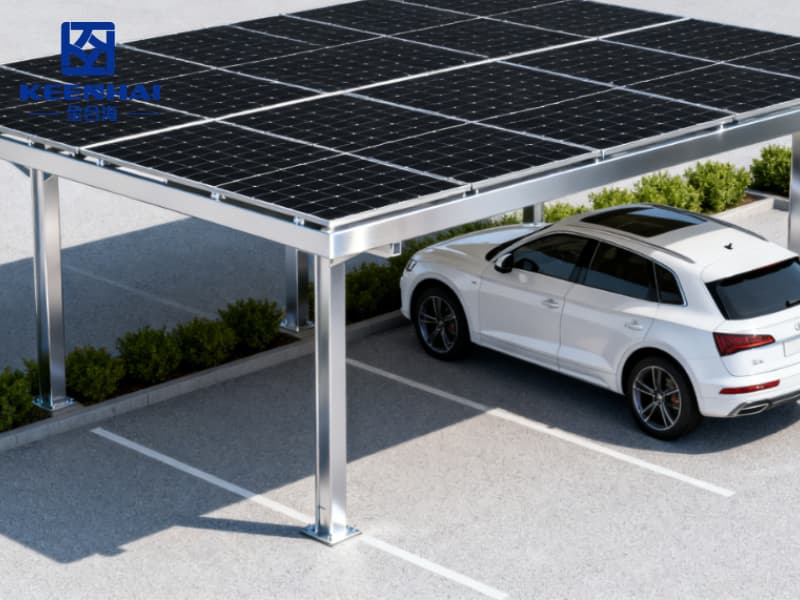
Solar carports primarily use aluminum and steel for their frames due to strength, lightweight characteristics, and corrosion resistance. Aluminum frames, commonly 2–3 mm thick for residential installations, resist rust and require minimal maintenance, making them ideal for coastal areas. Steel frames, usually galvanized or powder-coated, offer additional structural support for larger multi-car setups. Panels are typically monocrystalline or polycrystalline silicon, with efficiency ranging from 18% to 22%, depending on the brand.
In some premium installations, homeowners opt for a Custom Solar Aluminum Carport featuring reinforced beams, tempered glass panels, and integrated wiring channels for EV charging, providing both durable protection and energy generation in one structure.
2.2 Common Materials for Traditional Carports
Traditional carports often use wood, steel, or aluminum, but the material choice impacts longevity and upkeep. Wooden carports generally require pressure-treated timber or cedar, with thickness ranging from 5–8 cm for load-bearing beams. Wood must be stained or sealed annually to prevent rot, especially in humid climates. Steel traditional carports are usually 1.5–2 mm thick, powder-coated to prevent corrosion, while aluminum structures are lighter but less rigid, making them suitable for small residential setups.
2.3 Durability and Lifespan Differences
The lifespan of a solar carport is typically 20–25 years, assuming proper panel maintenance and frame inspection every 12 months. Aluminum frames remain corrosion-free, while steel may require painting or coating after 10–12 years. Panels degrade at approximately 0.5% per year, meaning energy output remains above 90% after 10 years.
In comparison, traditional carports have a lifespan of 15–20 years for steel, and 10–15 years for wood, depending on climate and maintenance. Installing a Modern Solar Carport with modular steel-aluminum hybrid frames ensures higher durability and lower maintenance, especially in regions with heavy rain or snow.
3. Energy and Efficiency
3.1 Solar Energy Generation vs No Energy Benefit
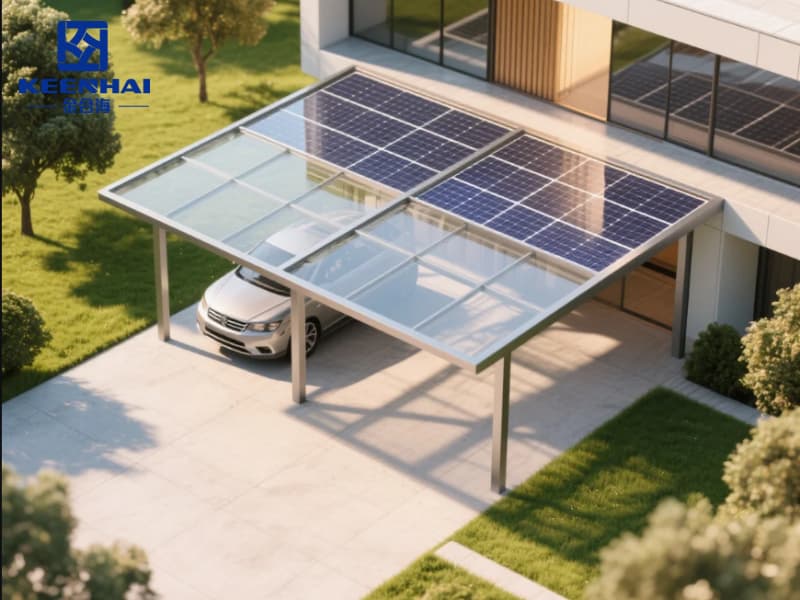
The most significant difference between solar and traditional carports lies in energy production. A standard solar carport integrates photovoltaic panels that convert sunlight into usable electricity. On average, a 200-square-foot solar structure can generate 2.5 to 3.5 kW of power, which offsets roughly 4,000 to 5,500 kWh annually, depending on sunlight exposure. That’s enough to cover up to 70% of an average household’s annual energy demand in sunny regions like California or Arizona.
For commercial applications, a Multi-car Solar Carport can easily exceed 10 kW, powering electric vehicle charging stations or reducing grid dependency for businesses. In contrast, traditional carports offer zero energy benefits—they serve purely as a shelter without contributing to utility savings or sustainability. This makes the solar version far more valuable in the long term, both financially and environmentally.
| Comparison | Solar Carport | Traditional Carport |
|---|---|---|
| Energy Output | 2.5–10 kW (depending on size) | None |
| Annual Savings | $600–$1,200 | $0 |
| EV Charging Integration | Yes | No |
| Energy Independence | Partial to Full | None |
3.2 Environmental Impact and Savings
From an environmental standpoint, solar carports significantly reduce carbon emissions by replacing grid electricity with clean, renewable energy. A single two-car installation can offset 2.5–3 tons of CO₂ annually, which is equivalent to planting about 120 trees per year. The aluminum frame used in modern solar systems is fully recyclable, and when combined with efficient monocrystalline panels, the environmental footprint is minimal.
A Solar Carport not only cuts household energy costs but also contributes to a more sustainable lifestyle. For instance, a family that spends $1,000 per year on electricity can save around $800 annually, translating into $16,000 in savings over 20 years—all while reducing grid reliance. In contrast, traditional carports consume energy indirectly through material production and maintenance but offer no long-term offset or ecological advantage.
By investing in energy-generating carports, homeowners and businesses gain both functional shelter and measurable financial return, while contributing meaningfully to global emission reduction goals.
4. Design and Customization Options
4.1 Styles and Roof Types for Solar Carports
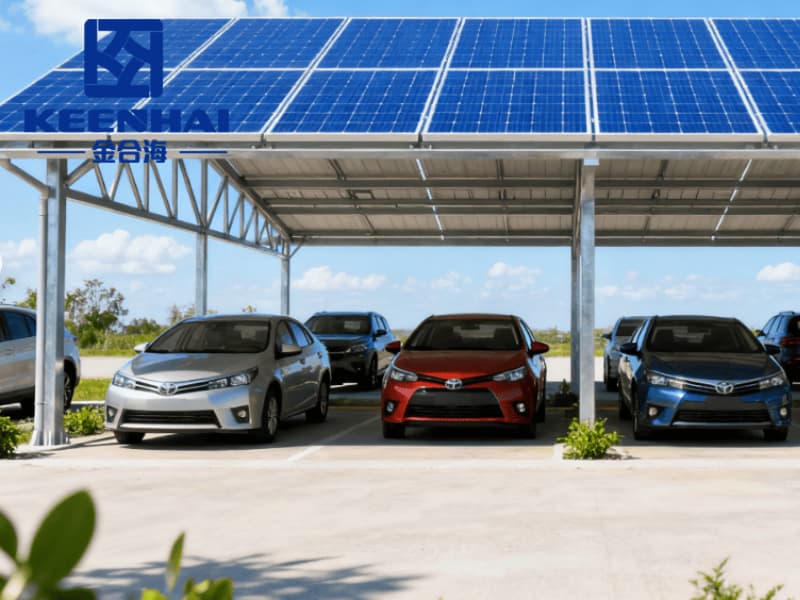
Solar carports are often designed with sleek, minimal structures that maximize sunlight exposure while maintaining visual appeal. The most common roof types are tilted single-slope roofs (5–15°) for optimal solar panel angle and flat-roof systems for compact urban installations. Frame materials typically include powder-coated aluminum or galvanized steel, both resistant to rust and capable of supporting 20–30 solar panels per vehicle bay. Some premium models feature integrated cable management systems, EV chargers, and drainage channels built directly into the beams for a clean, modern appearance.
4.2 Styles and Roof Types for Traditional Carports
Traditional carports focus purely on shade and protection, offering more flexibility in shape but less technical design. The most common structures use gabled, arched, or flat roofs, often made from corrugated steel sheets, polycarbonate panels, or wooden beams. A typical two-car metal carport covers 300–400 sq. ft., while larger residential versions can span up to 600 sq. ft. without complex engineering. Although design customization is simpler, options like color-coated steel, decorative trims, or side enclosures can improve aesthetics—but they add little functional value compared to solar-integrated options.